Get Piping Replacement
Piping replacement services help property owners fix leaking or damaged pipes, upgrade outdated systems, and handle projects like whole-home or commercial pipe upgrades.
If property owners are considering piping replacement, they are likely exploring options to improve the safety, efficiency, and reliability of their plumbing systems. Whether dealing with aging pipes, frequent leaks, or outdated materials, replacing pipes can be a practical step toward maintaining the property's value and avoiding more costly repairs down the line. This is a common project for those wanting to ensure their plumbing infrastructure remains functional and up to date, especially in areas where older systems may be more susceptible to issues.
For those interested in pursuing piping replacement, it’s helpful to compare local contractors who specialize in this type of work. Connecting with experienced service providers can provide clarity on the best approaches for the specific needs of a property, whether for residential or commercial spaces. By exploring local options, property owners can gather the information needed to plan their project effectively and make informed decisions about how to proceed.
- Residential piping replacement - needed when older pipes begin to leak or show signs of corrosion.
- Commercial piping upgrades - required during building renovations or when existing pipes no longer meet safety standards.
- Emergency pipe repairs - necessary after pipe bursts or major leaks that threaten property damage.
- Water line replacement - essential when water pressure drops or the water quality deteriorates due to pipe issues.
- Industrial piping services - needed for the installation or replacement of large-scale piping systems in industrial facilities.
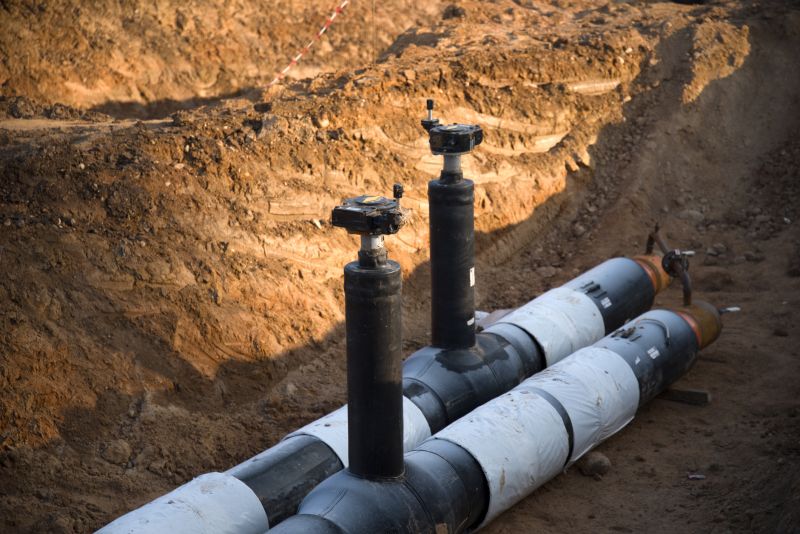
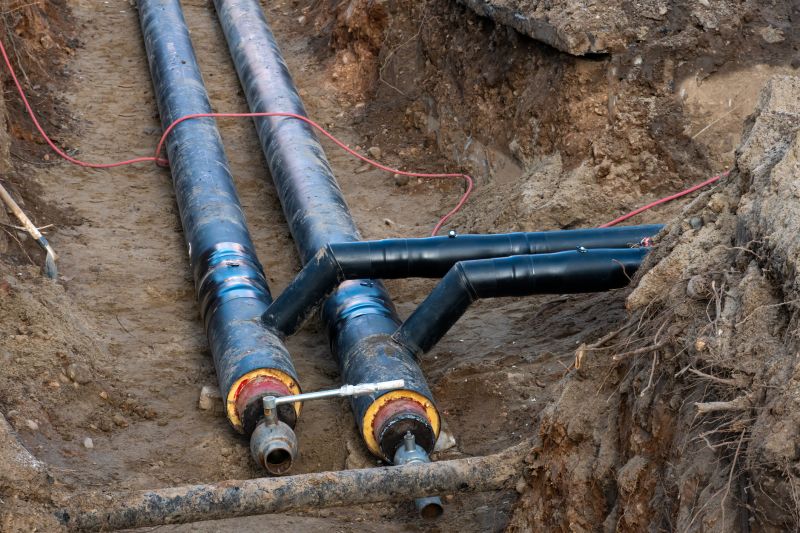
Piping replacement services involve removing outdated, damaged, or corroded pipes and installing new piping systems to ensure proper function and safety. This process typically includes inspecting existing pipes to identify issues, removing the affected sections, and installing durable, high-quality piping materials suited to the property’s needs. Professional contractors handle all aspects of the replacement, ensuring that the new pipes are properly fitted and integrated with existing plumbing systems to prevent leaks and future problems.
These services are essential for resolving a variety of common plumbing issues. Older pipes may develop leaks, rust, or blockages that can lead to water damage, decreased water pressure, or costly repairs if left unaddressed. Piping replacement can also solve problems caused by pipe bursts, frequent clogs, or the presence of lead or galvanized pipes that no longer meet safety standards. Replacing problematic pipes helps improve water quality, reliability, and the overall safety of the plumbing system.
Piping replacement is often needed in residential properties, including single-family homes, townhouses, and multi-unit apartment buildings. It is also common in commercial properties such as office buildings, retail spaces, and small industrial facilities. Homes that are several decades old frequently require pipe upgrades to meet current standards and prevent ongoing issues. Property owners experiencing frequent leaks, water discoloration, or low water pressure are encouraged to consider pipe replacement as a practical solution to restore plumbing performance.
When considering piping replacement, property owners should look for local contractors experienced in handling various types of piping systems and property sizes. These professionals can assess the condition of existing pipes, recommend appropriate replacement options, and complete the work efficiently. Whether dealing with minor repairs or a full-scale upgrade, connecting with qualified service providers can help ensure the project is completed correctly, reducing the risk of future plumbing problems and enhancing the property's overall functionality.
The overview below groups typical Piping Replacement projects into broad ranges so you can see how smaller, mid-sized, and larger jobs often compare in your area.
In many markets, a large share of routine jobs stays in the lower and middle ranges, while only a smaller percentage of projects moves into the highest bands when the work is more complex or site conditions are harder than average.
Smaller Repairs - minor pipe repairs or replacements typically cost between $250 and $600. Many routine jobs fall within this range, covering tasks like fixing leaks or replacing small sections of piping. Larger, more complex projects can exceed this range, depending on the scope.
Partial Replacement - replacing sections of piping often ranges from $1,000 to $3,000. This cost includes removing old pipes and installing new ones in specific areas, with many projects landing in the middle of this spectrum. More extensive replacements may push costs higher based on pipe material and accessibility.
Full Piping Replacement - complete pipe system replacements generally cost between $5,000 and $15,000. Larger, more involved projects can reach or surpass this range, especially when working in difficult spaces or with complex plumbing layouts. Many local contractors can provide customized estimates based on property size and needs.
Complex or Custom Projects - highly detailed or large-scale piping replacements, such as those in commercial buildings, can cost $20,000 or more. These projects are less common and often involve extensive planning, specialized materials, and multiple work phases, leading to higher costs compared to standard residential jobs.
Actual totals will depend on details like access to the work area, the scope of the project, and the materials selected, so use these as general starting points rather than exact figures.
Pipe Insulation Installation - This project involves installing insulation around pipes to prevent heat loss and protect against freezing, requiring similar planning and tools as piping replacement.
Leak Detection and Repair - Detecting and fixing leaks in plumbing systems shares skills in pipe inspection, troubleshooting, and precise repairs with piping replacement services.
Water Line Replacement - Replacing outdated or damaged water lines involves similar excavation, pipe handling, and planning as piping system upgrades or replacements.
Drain Line Repair - Repairing or replacing drain lines requires expertise in pipe layout, access techniques, and the use of specialized tools, akin to piping replacement projects.
Fixture Replacement and Installation - Upgrading plumbing fixtures involves understanding pipe connections and system layout, which complements skills used in piping replacement work.
Underground Utility Excavation - Excavating for utility upgrades or repairs involves planning and trenching skills comparable to those needed for piping system overhauls.
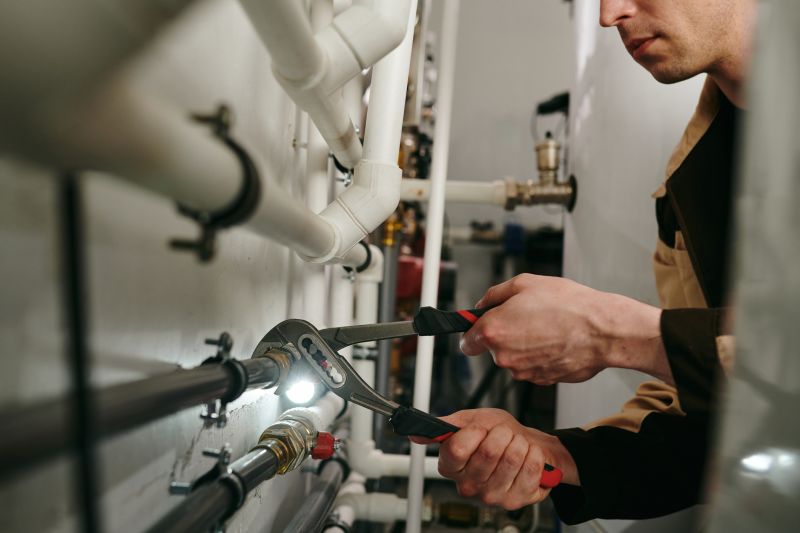
When evaluating contractors for piping replacement, it’s important to consider their experience with similar projects. Homeowners should look for local service providers who have a proven track record of handling piping replacements in residential settings. Asking about the types of piping systems they’ve worked on and the complexity of past projects can provide insight into their familiarity with different situations. An experienced contractor is more likely to understand potential challenges and deliver a reliable solution tailored to the home’s specific needs.
Clear and detailed written expectations are essential when comparing local contractors. Homeowners should seek service providers who can provide comprehensive descriptions of the scope of work, materials to be used, and any relevant warranties or guarantees. Having this information in writing helps prevent misunderstandings and ensures that both parties are aligned on the project’s goals. Clear expectations also make it easier to compare different options objectively and choose a provider who offers transparency and professionalism.
Reputable references and good communication are key factors in selecting a dependable contractor. Homeowners are encouraged to ask for references from previous clients who had similar piping replacement work done. Contacting these references can reveal insights into the contractor’s reliability, quality of work, and ability to meet deadlines. Additionally, service providers who maintain open, prompt, and clear communication throughout the process tend to foster a smoother experience. While the site introduces homeowners to local options, it’s important to remember that the actual work will be performed by trusted local contractors who can be evaluated based on these criteria.
Property owners use Piping Replacement services for practical projects around their homes and businesses. This guide focuses on everyday jobs and straightforward project options.
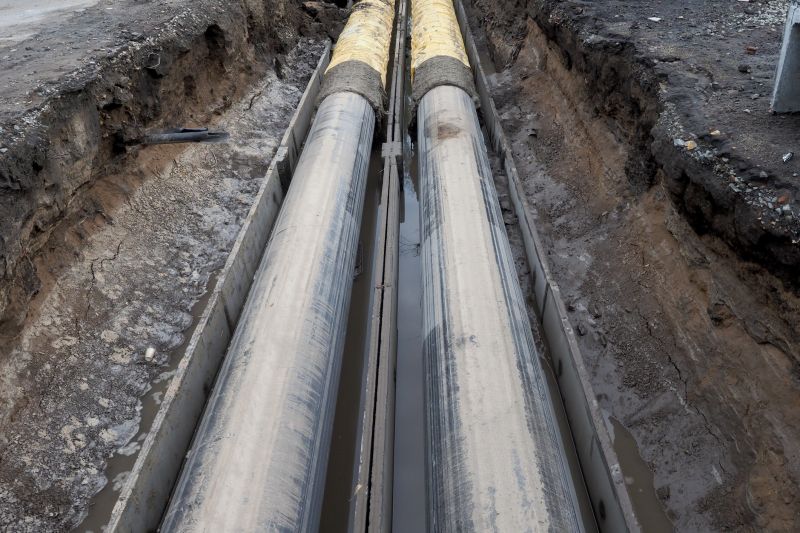
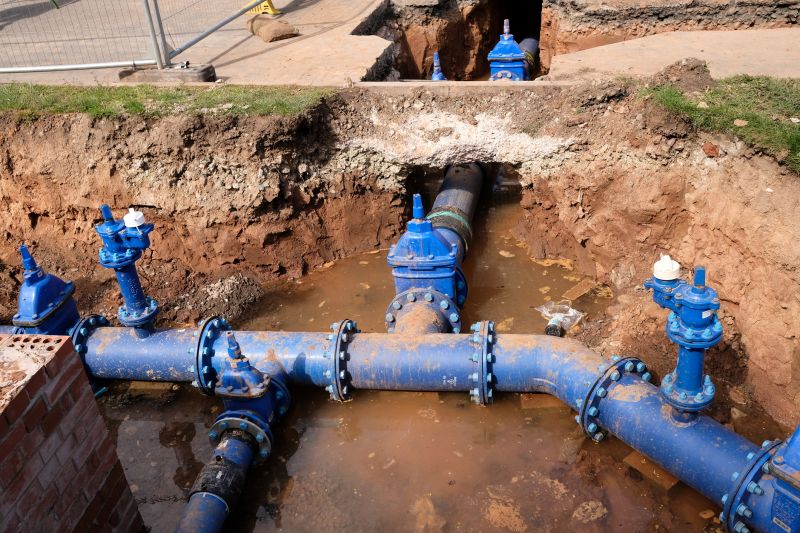
Piping replacement is often needed when older pipes begin to show signs of wear, such as leaks, corrosion, or reduced water flow. Property owners might seek these services after noticing unexplained increases in utility bills, water damage, or frequent repairs to existing plumbing systems. Local contractors are experienced in assessing the condition of existing pipes and recommending appropriate solutions to restore reliable water and waste management.
In many cases, property owners consider piping replacement during major renovations or when upgrading aging infrastructure. Unexpected pipe bursts or persistent plumbing issues can also prompt the need for quick and effective replacement work. Service providers in the area can handle a range of piping projects, helping homeowners and business owners maintain safe and functional plumbing systems with minimal disruption.
When should I consider piping replacement? Piping replacement may be necessary if pipes are leaking, corroded, or showing signs of significant wear that could lead to future issues.
What types of pipes can local contractors replace? Contractors can replace a variety of pipes, including copper, PVC, PEX, and other common plumbing materials used in residential and commercial properties.
How do I know if my pipes need to be upgraded to newer materials? Signs such as frequent leaks, reduced water pressure, or aging pipes can indicate that an upgrade to modern materials may be beneficial.
Are there different methods for pipe replacement? Yes, local service providers may use traditional replacement methods or innovative techniques like pipe relining, depending on the situation.
How can I find qualified local contractors for piping replacement? You can contact service providers in your area who specialize in plumbing and pipe replacement to compare options and find the right fit.
Preventing Water Damage - Replacing aging or damaged pipes can help avoid leaks that might cause water damage to walls, floors, and belongings.
Improving Water Quality - Upgrading old pipes can enhance water flow and quality, making daily tasks like cooking and cleaning more efficient.
Upgrading Plumbing Systems - Installing new piping can support the installation of modern fixtures or appliances in a home renovation project.
Addressing Pipe Corrosion - Replacing corroded pipes can reduce the risk of sudden failures and improve overall plumbing system reliability.
If you are thinking about Piping Replacement for a property, this guide is meant to help you understand the work, the typical project types, and how different options might fit your plans.
When you are ready, you can use the quote form on this page to share a few details about your project. From there, local pros can review the basics and respond with options that match what you have in mind.